
 Türkçe


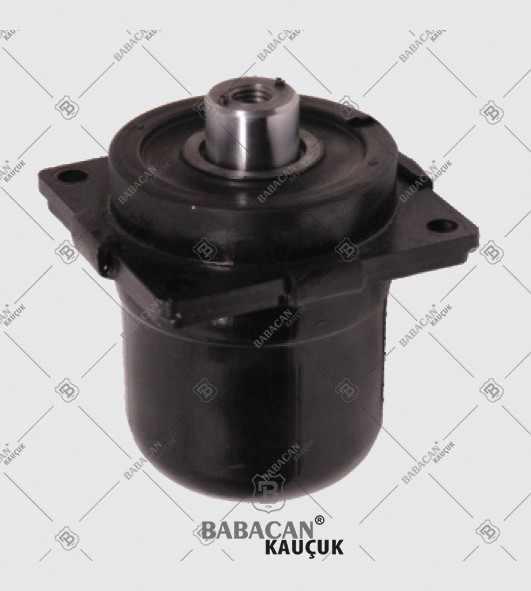
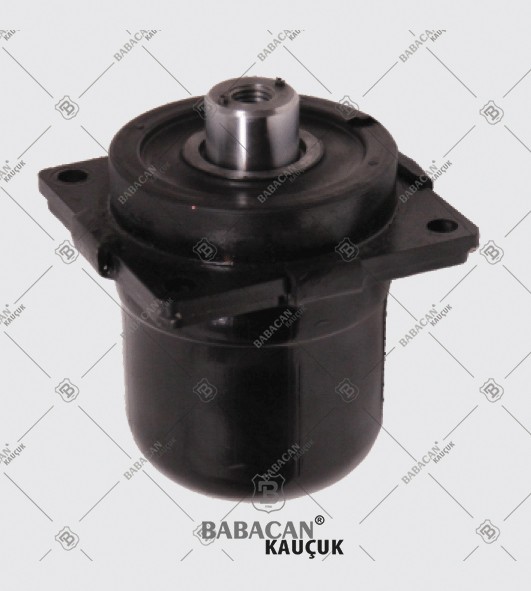

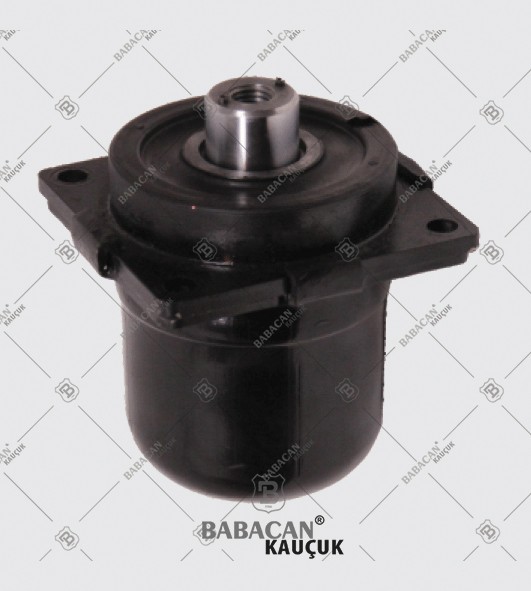
Babacan Rubber - 8A31541110 and 8A-31-541110 Cushion Komatsu Cabin Mount
Open the doors to the unique comfort and performance you'll experience with Babacan Rubber's advanced 8A31541110 and 8A-31-541110 Cushion Komatsu Cabin Mount. These specialized Cabin Mount are meticulously designed to enhance the comfort of your machinery's driver cabin by minimizing vibrations transmitted to the cabin.
8A31-54-1110 Cushion Komatsu Cabin Mount: Powerful and Comfortable Ride
The 8A31-54-1110 Cushion Komatsu Cabin Mount, offered by Babacan Rubber, provides a smooth driving experience by minimizing vibrations through a design focused on durability and precision. Cabin Mount , specially crafted to enhance operator comfort, stand out with their reliability.
Functionality and Applications
These Cabin Mounts are specifically designed for use in the driver cabins of Komatsu construction machines. The 8A31541110 and 8A-31-541110 Cushion mount are designed to ensure operators experience maximum comfort during long working hours while effectively absorbing vibrations in construction machinery.
Feel the Difference
Upgrade your equipment with Babacan Rubber's superior 8A31-54-1110 Cushion Komatsu Cabin Mount , experiencing improved stability and operator comfort. This is the key to feeling the difference.
Reliability and Quality
At Babacan Rubber, we prioritize customer satisfaction and product quality. The product mentioned above is a testament to our industry experience and reliability.
Place an Order and Enjoy Comfort
Contact us here today and experience both comfort and performance in your construction machinery with Babacan Rubber's 8A31541110 and 8A-31-541110 Cushion Komatsu Cabin Mounts.
Application & technical notes
An operator experiencing constant vibration makes mistakes. Fatigue sets in earlier each day. Productivity drops. Health suffers over time. These aren't abstract concerns—they're measurable costs that forward-thinking fleet managers address through proper cabin isolation. The Komatsu 8A31-54-1110 cabin mount tackles vibration isolation as both a comfort issue and a business optimization opportunity.
By isolating the operator station from continuous structural oscillations, this premium mount establishes a stable, high-focus working environment. It actively prevents the physical exhaustion that leads to late-shift operational errors and expensive equipment mismanagement. Consequently, investing in the 8A31-54-1110 cabin mount translates directly into sustained daily output and lower operator turnover rates. Ultimately, safeguarding your workforce with this heavy-duty suspension solution secures both workplace safety and peak fleet profitability.
The Economics of Operator Fatigue
Tired operators work slower. They also make more errors requiring rework. Equipment damage increases when fatigue reduces an operator's ability to respond appropriately to changing conditions. These costs accumulate daily but often go unrecognized because they lack the visibility of fuel consumption or parts replacement.
Vibration represents one of the primary fatigue factors. Humans tolerate steady work for hours, but add continuous vibration and endurance plummets. Studies document productivity declining 15-25% during the second half of shifts when operators face sustained vibration exposure. Effective cabin isolation addresses this productivity drain at its source.
Reduced Fatigue
Operators maintain focus and precision throughout full shifts when vibration isolation performs properly
Better Control
Precise movements become easier when the cabin remains stable relative to controls
Health Protection
Long-term exposure limits prevent chronic health issues recognized by occupational safety regulations
Isolation Technology Principles
Effective vibration isolation requires understanding what you're isolating against. Construction equipment generates vibration across a broad frequency spectrum. Engine firing pulses occur at low frequencies. Hydraulic pump pulsations span mid-range frequencies. Metal-on-metal impacts during digging create high-frequency shock loads. A single isolation system must address all these simultaneously.
The 8A31-54-1110 mount uses carefully tuned rubber compounds that achieve optimal isolation across relevant frequency ranges. Too soft, and the cabin experiences excessive motion under normal loads. Too stiff, and high-frequency vibration transmits directly through the mount. The engineering challenge involves balancing these competing requirements while maintaining durability under continuous cyclic loading.
Material Selection Complexity
Cabin mounts face harsher conditions than most people realize. Temperature cycling from cold startups to sustained operation under load. Ozone exposure accelerated by equipment operating near internal combustion engines. Chemical contact from cleaning operations or incidental spills. Each challenge requires specific material properties that must coexist within a single compound.
- Natural rubber base provides excellent resilience and low-temperature performance
- Synthetic polymer additions improve aging resistance and ozone protection
- Carbon black reinforcement delivers strength without excessive stiffness
- Antioxidant packages prevent thermal degradation during service
Load Management Under Operating Conditions
Cabin mounts don't just support static weight—they manage dynamic loads that vary constantly during operation. Forward acceleration when traveling between work sites. Braking forces when positioning for the next cycle. Lateral loads during turning. Impact loads when working rough terrain. Each load type creates different stress patterns within the mount structure.
Metal bonding technology becomes critical here. The rubber compound bonds directly to steel plates during vulcanization, creating an interface stronger than the rubber itself. This bond must maintain integrity throughout millions of load cycles, temperature swings, and chemical exposure. Bond failure doesn't announce itself gradually—it causes sudden separation that can damage both cabin and chassis.
Service Life Indicators
Cabin mounts wear gradually, and operators often don't notice degradation until isolation has deteriorated significantly. Systematic inspection identifies problems before they affect productivity or operator comfort. Visual examination reveals surface cracks from ozone attack or mechanical fatigue. Checking deflection under load shows whether the rubber has taken permanent set. Comparing current measurements against installation specifications quantifies remaining service life.
Replacement Timing Strategy
Replace cabin mounts based on inspection findings or operating hours rather than waiting for obvious failure. Degraded mounts reduce operator comfort and productivity long before complete failure occurs. Proactive replacement during scheduled maintenance costs far less than emergency repairs and prevents the productivity losses from operating with worn mounts.
Installation Requirements
Proper installation determines whether mounts achieve design performance. Mounting surfaces require preparation—clean, flat, and free from corrosion or damage. Fastener torque specifications exist for good reasons, and using calibrated tools ensures proper preload. Sequential tightening patterns distribute clamping forces evenly, preventing distortion that compromises isolation effectiveness.
Following these standard procedures ensures that the 8A31-54-1110 cabin mount seats perfectly, preventing localized stress concentrations that cause premature tearing. Regular post-installation checks verify that fasteners retain their specified tension under continuous operational vibrations. Neglecting these precise installation steps can lead to misalignment, shifting the vibration path directly into the cab structure instead of dampening it. Ultimately, dedicating time to meticulous assembly maximizes the service life of the component and preserves the intended refinement of your Komatsu machinery.
Product Details
Access comprehensive technical specifications and compatibility information:
8A31-54-1110 Cabin Mount Information
Final Thoughts
Cabin isolation doesn't generate the excitement of increased horsepower or advanced hydraulics, yet its impact on daily operations proves equally significant. Well-isolated operators work more productively, make fewer errors, and maintain better health over their careers. For equipment owners balancing operator retention, productivity, and regulatory compliance, quality cabin mounts represent one of the most cost-effective investments available.
Frequently Asked Questions
Is Babacan Rubber a direct replacement for Komatsu 8A31-54-1110?
Babacan Rubber part KOM.09054 is an aftermarket replacement manufactured for OEM number Komatsu 8A31-54-1110. OEM brand names and part numbers are used for reference only; send us your machine model to confirm fitment.
Which machines use 8A31-54-1110?
8A31-54-1110 is listed for the following models: Komatsu D155AX5, Komatsu D85AX-15.
Do you ship 8A31-54-1110 to the USA?
Yes. Babacan Rubber ships worldwide, including the USA. Request a quote with the OEM number and quantity.
All manufacturer names, symbols, descriptions and part numbers are used for reference purposes only and do not imply that any part is the product of that manufacturer.