
 Türkçe


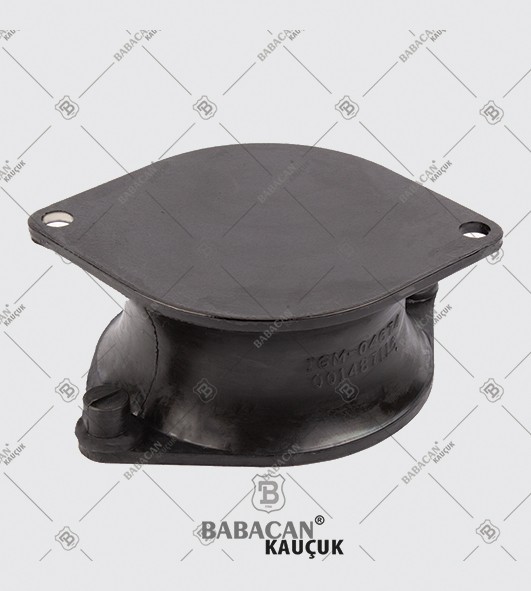
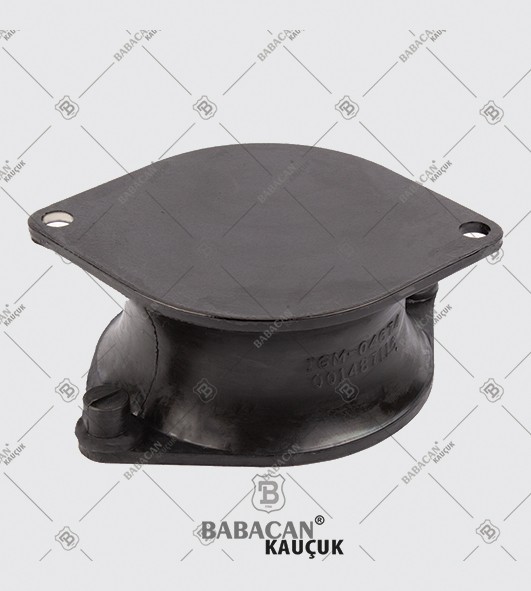
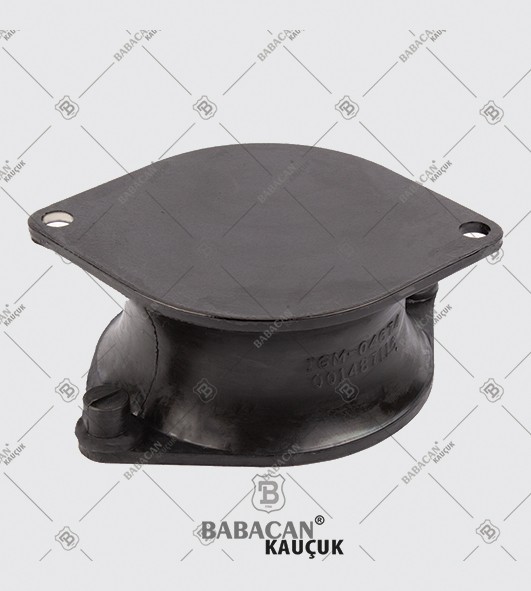
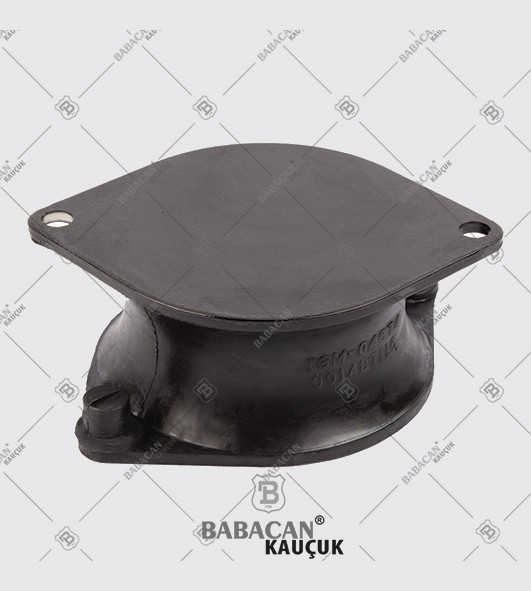
The 1487116 Hamm asphalt roller vibration mount is a durable vibration pad designed to reduce drum-generated vibrations in Hamm-brand asphalt rollers. By minimizing the transfer of vibration to the machine body, it helps protect internal components and significantly improves operator comfort.
Compatible Models
The 01487116 Hamm vibration mount is fully compatible with the following Hamm roller models:
- HAMM 3205
- HAMM 3307 / 3307 HT
- HAMM 3410 / 3411
- HAMM 3412 / 3414 / 3414 HT
- HAMM 3516 / 3518 / 3520 / 3520 HT
- HAMM 3625 / 3625 HT
In these models, it absorbs vibrations transmitted from the drum to the chassis, ensuring more stable and safer equipment operation.
Fields of Application
The 1487116 vibration mount is widely used in the following sectors and applications:
- Road construction projects
- Asphalt paving and compaction operations
- Infrastructure and superstructure construction
- Heavy-duty jobsite asphalt machines
- Construction and earthmoving machinery
It prevents vibration damage to the machine chassis and extends the lifespan of key components.
Technical Specifications
- OEM No: 1487116
- Alternative Code: 01487116
- Product Description: Vibration Pad / Vibration Mount
- Material: High-strength rubber with metal reinforcement
- Function: Reduces drum vibration and controls its transmission to the machine body
Why Choose the 01487116 Hamm Roller Vibration Mount?
The 01487116 Hamm vibration mount is developed to prevent vibration-related wear in Hamm-brand machines while maintaining optimal performance. Field-tested and proven for durability, this component increases operator comfort, extends maintenance intervals, and significantly improves equipment longevity.
The 1487116 Hamm asphalt roller vibration mount is a reliable, high-performance solution ideal for heavy-duty asphalt rollers. It offers long-lasting performance and perfect compatibility even under harsh jobsite conditions.
Application & technical notes
High-performance elastomeric isolation component engineered specifically for HAMM asphalt compaction equipment, providing superior vibration damping and extended service life in demanding road construction applications
Asphalt compaction equipment operates in uniquely challenging environments. Vibratory drums generate intentional high-amplitude oscillations for material densification while simultaneously creating parasitic vibration that must be isolated from chassis and operator areas. Effective vibration management separates functional compaction forces from destructive structural loading.
Vibratory Compaction Principles
Modern asphalt rollers employ vibratory drums rotating eccentric masses at controlled frequencies. Typical operating frequencies range from 30-65 Hz depending on material characteristics and compaction depth requirements. Centrifugal forces from eccentric rotation create vertical drum oscillations transmitted into pavement material. Dynamic loading densifies asphalt more effectively than static weight alone—achieving target density with fewer passes and reduced fuel consumption.
Vibration energy flows in all directions—downward into pavement material performing productive work, and upward into machine structure representing wasted energy causing component fatigue. The 1487116 vibration mount intercepts upward energy transmission preventing drum vibration from reaching chassis components and operator cabin. Effective isolation extends component life while improving operator comfort and machine longevity.
By decoupling the frame from heavy compaction forces, this premium mount directly prevents structural cracking and weld failures. Its advanced rubber formulation retains elasticity over long cycles, ensuring consistent performance even under intense asphalt paving temperatures. Ultimately, integrating this reliable damping element into your fleet lowers unexpected maintenance costs and maximizes operational uptime.
Isolation System Design Philosophy
Vibration isolation exploits mass-spring dynamics where properly tuned systems transmit reduced vibration at frequencies above natural frequency. System natural frequency depends on mount stiffness and supported mass—softer mounts and heavier masses produce lower natural frequencies improving isolation but potentially allowing excessive motion. HAMM equipment mounts balance isolation effectiveness against motion control requirements ensuring vibration reduction without compromising machine stability or operational precision during demanding compaction work.
Dynamic Load Conditions
Compaction equipment mounts experience complex loading substantially different from conventional vehicle suspensions. Static loads from drum mass combine with dynamic forces from eccentric rotation. Operating frequency varies throughout work cycles as operators adjust settings for different materials and conditions. Transient impacts occur during direction changes or obstacle encounters. Temperature fluctuations from hot asphalt contact and ambient conditions affect material properties. Successful mount designs accommodate this full spectrum of loading scenarios.
Static Load Capacity
Engineered to support drum assembly mass with 15-20% compression under static conditions maintaining optimal position
Dynamic Response
Tuned stiffness provides 75-85% vibration attenuation across 30-65 Hz operating frequency range preventing chassis excitation
Temperature Range
Maintains functional properties from -30°C cold weather operation to +85°C exposure from hot asphalt proximity
Durability Metrics
Proven service life exceeding 4,500 operating hours under normal conditions, 3,000 hours in severe duty applications
Environmental Resistance
Compound formulation resists degradation from diesel fuel, hydraulic oil, and asphalt contact maintaining integrity
Motion Control
Progressive spring rate limits displacement to ±20mm preventing metal-to-metal contact during maximum excitation
Material Engineering for Extreme Conditions
Asphalt roller mounts face material challenges exceeding typical automotive applications. Temperature cycling between ambient cold and asphalt heat accelerates aging. Hydrocarbon exposure from fuel and asphalt requires chemical resistance. High dynamic loads demand fatigue resistance beyond conventional mount requirements. Achieving necessary performance requires advanced polymer engineering and precise compound formulation.
Premium natural rubber provides exceptional dynamic properties and fatigue resistance forming the compound base. Synthetic polymers contribute temperature stability and chemical resistance. Specialized antioxidants protect against thermal degradation. Anti-ozonants prevent surface cracking from environmental exposure. Carbon black reinforcement provides mechanical strength while maintaining flexibility necessary for vibration isolation. The resulting compound delivers performance across temperature ranges and chemical exposures that would quickly destroy conventional rubber formulations.
Metal-to-Rubber Bond Integrity
Mounts incorporate metal components distributing loads and providing attachment interfaces. Bond strength between metal and rubber determines component reliability—inadequate bonding leads to delamination failures where rubber separates from metal under dynamic loading. The 1487116 employs advanced bonding systems utilizing chemically treated metal surfaces and specialized primers creating molecular-level adhesion stronger than the rubber itself. Proper bonding ensures failure occurs through rubber fatigue rather than interface separation maintaining predictable performance throughout service life.
Related Compaction Equipment Components
Precision-engineered solutions for comprehensive vibration control and equipment longevity:
551-549-77 Hose Reel 551-594-54 Slide Bar 56D-50-12314 Spring BlockInstallation Best Practices
Proper installation determines whether engineered performance translates into field reliability. Mounting surfaces must be thoroughly cleaned removing all contamination, rust, or old adhesive residue. Surface irregularities create stress concentrations causing premature failure. Fasteners require precise torque application—specifications typically range from 80-120 Nm depending on thread size and mount configuration. Under-torquing allows movement causing fretting wear and fastener loosening. Over-torquing crushes rubber elements distorting internal stress distributions and reducing service life.
Mount orientation affects performance and longevity. Components designed for specific loading directions must be installed correctly—reversed installation may appear functional initially but leads to rapid failure under operating loads. Installation documentation should be carefully followed ensuring proper component orientation and sequential fastener tightening patterns distributing loads evenly across all mounting points.
Operational Monitoring and Maintenance
Regular inspection identifies developing issues before catastrophic failures occur. Visual examination reveals surface cracking indicating material aging or environmental degradation. Rubber swelling suggests hydrocarbon contamination requiring investigation and correction. Permanent deformation or bulging indicates bond failure or material breakdown. Increased vibration transmission signals reduced damping effectiveness warranting closer evaluation and potential replacement.
Service life depends on operating conditions and maintenance quality. Equipment operating in moderate climates with proper maintenance typically achieves 4,000-5,000 hours between mount replacement. Severe duty applications—continuous operation in temperature extremes, heavy loading, or contaminated environments—may require replacement at 2,500-3,000 hours. Tracking actual operating conditions allows optimizing replacement intervals balancing component cost against downtime risk from unexpected failures.
Proactive inspection for cracks and elasticity loss is essential to prevent sudden on-site breakdowns of the 1487116 vibration mount. Implementing a scheduled replacement program based on these hour thresholds safeguards surrounding hydraulic and structural elements from secondary damage. Ultimately, prioritizing the timely renewal of the 1487116 mount ensures maximum machine availability and consistent compaction depth throughout your projects.
Economic Impact Analysis
Quality vibration mounts represent small fractions of total equipment value yet significantly influence operating costs. Effective isolation reduces maintenance on chassis components by minimizing fatigue loading—structural repairs that might cost thousands of dollars become unnecessary. Extended component life reduces parts consumption and maintenance labor. Improved operator comfort increases productivity and reduces operator turnover with associated training costs. Reduced downtime from vibration-related failures maintains revenue-generating operation rather than expensive idle equipment.
Total cost analysis reveals premium components frequently cost less than economy alternatives when evaluated across full equipment lifecycles. The 1487116 delivers service life often double that of inferior substitutes while providing superior vibration isolation throughout its operational period. This extended replacement interval combined with improved isolation effectiveness produces measurable economic advantages justifying initial investment within single replacement cycles while delivering ongoing benefits throughout equipment ownership.
Complete Technical Specifications
Access detailed engineering data, installation procedures, and compatibility information for the HAMM 1487116 vibration mount
Product Documentation
Frequently Asked Questions
Is Babacan Rubber a direct replacement for Hamm 01487116?
Babacan Rubber part IGM.04687 is an aftermarket replacement manufactured for OEM number Hamm 01487116 (1487116 Asphalt Roller Vibration Mount). OEM brand names and part numbers are used for reference only; send us your machine model to confirm fitment.
Which machines use 01487116?
01487116 is listed for the following models: Hamm 3411.
Do you ship 01487116 to the USA?
Yes. Babacan Rubber ships worldwide, including the USA. Request a quote with the OEM number and quantity.
All manufacturer names, symbols, descriptions and part numbers are used for reference purposes only and do not imply that any part is the product of that manufacturer.